TRANSCULTURAL HEALTH ASSISTANCE
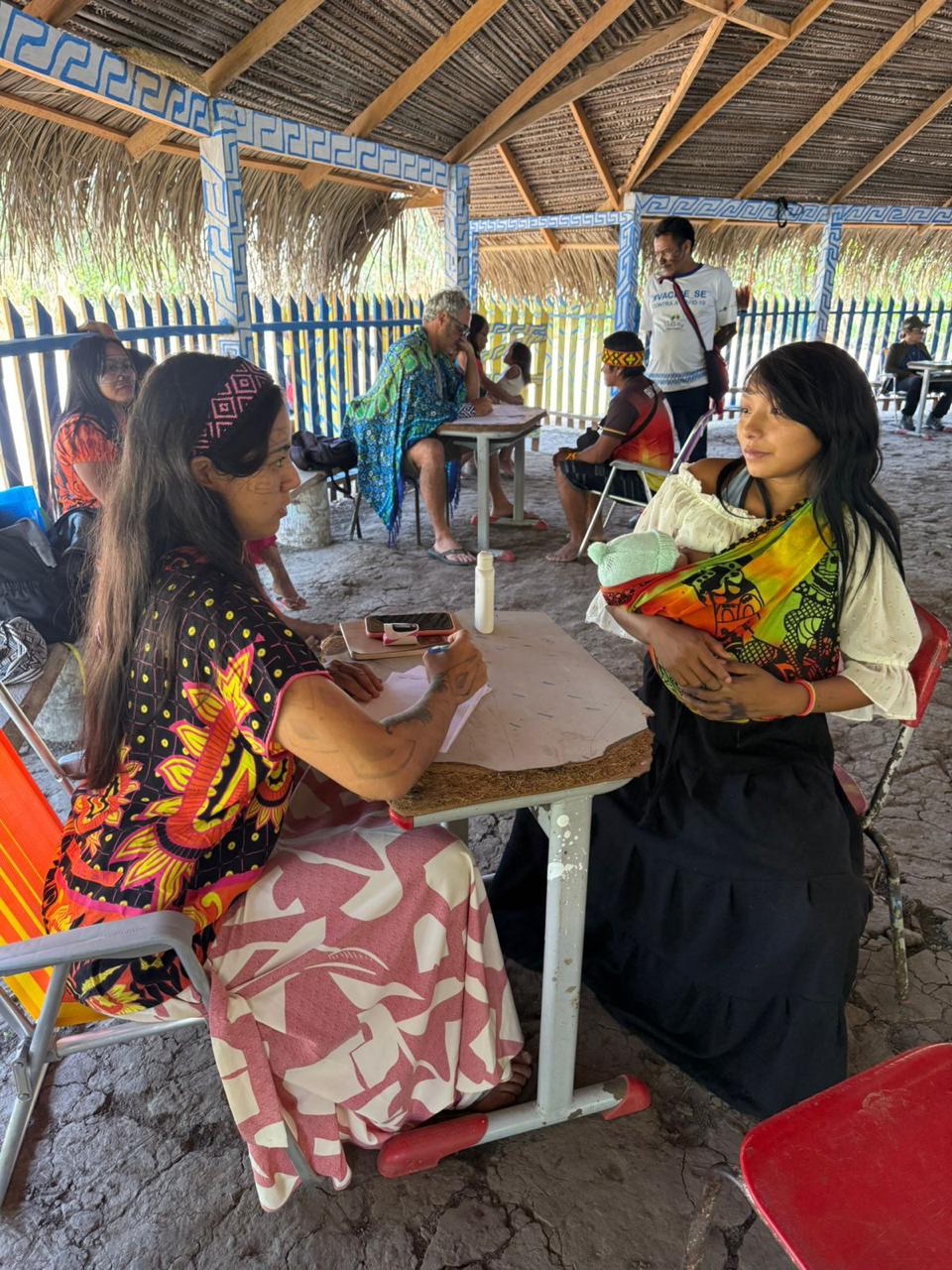
The Instituto Flor da Floresta was founded by physicians in partnership with shamans, psychologists, pharmacists, and various other health professionals. Since its inception, one of the main focuses of its work has been the promotion of integral healthcare assistance to Amazonian populations. Dr. Cesar Carvalho and Dr. Marcela Thiemi practice family and community medicine in the municipality of Jordão, having carried out over the past six years medical consultations in most of the indigenous villages and riverside communities of the municipality.
The work is carried out through consultations with the team of the Special Indigenous Health District of Alto Juruá, as well as the Riverside Family Health Team of Jordão, in addition to consultations and actions promoted independently by the Instituto Flor da Floresta. Care is provided in a respectful and compassionate manner within the communities, integrating and complementing the work of local shamans, midwives, and traditional healers, and applying the principles of cultural competence and comprehensive healthcare, so that everyone is valued and respected for their knowledge and abilities — thereby achieving better outcomes for the team’s work and for the health of the populations served.
Furthermore, since 2020, the institute has organized at least two annual transdisciplinary and transcultural health immersions focused on indigenous medicine in the villages of the municipality. These immersions bring together shamans, midwives, traditional healers, massage therapists, acupuncturists, and a wide range of integrative and complementary health professionals, alongside medical specialists, nurses, and psychologists from leading universities across Brazil (such as UFRJ, UFMG, and UNESP) and from various parts of the world. These gatherings promote the exchange of knowledge and practices, healthcare delivery, and health promotion through activities such as health education, the construction of ecological sanitation and water collection infrastructure, community kitchens, and other initiatives in which all participants both receive care and contribute in some way to the wellbeing of the communities. Every year these immersions have been met with success, with the satisfaction of all those involved and measurable improvements in the health and quality of life of all participants
TELEMEDICINE WORK
The Instituto has been providing telemedicine consultations in the Huni Kuin villages of Jordão since 2021, through the provision of physicians who conduct appointments via video calls. In some cases, the Instituto has also participated in the acquisition and maintenance of internet systems to enable connectivity in these locations.
In 2026, we are part of the implementation team for the largest telemedicine project ever carried out in the region: the K.DOCTOR 4.0 project, developed by FPF Tech (the Amazonian Foundation for Research Support and Technological Development “Desembargador Paulo dos Anjos Feitoza”), through the Priority Program for Industry 4.0 and Industrial Modernization, coordinated by CITS.AMAZONAS — the International Software Technology Center of Amazonas — and funded by Foxconn, a global technology giant responsible for assembling iPhone handsets and Dell computers, among other products. The Instituto Flor da Floresta is serving as regional coordinator of the project, and its team is responsible for the implementation and validation of the telemedicine systems, as well as for providing medical care to the populations receiving the project.
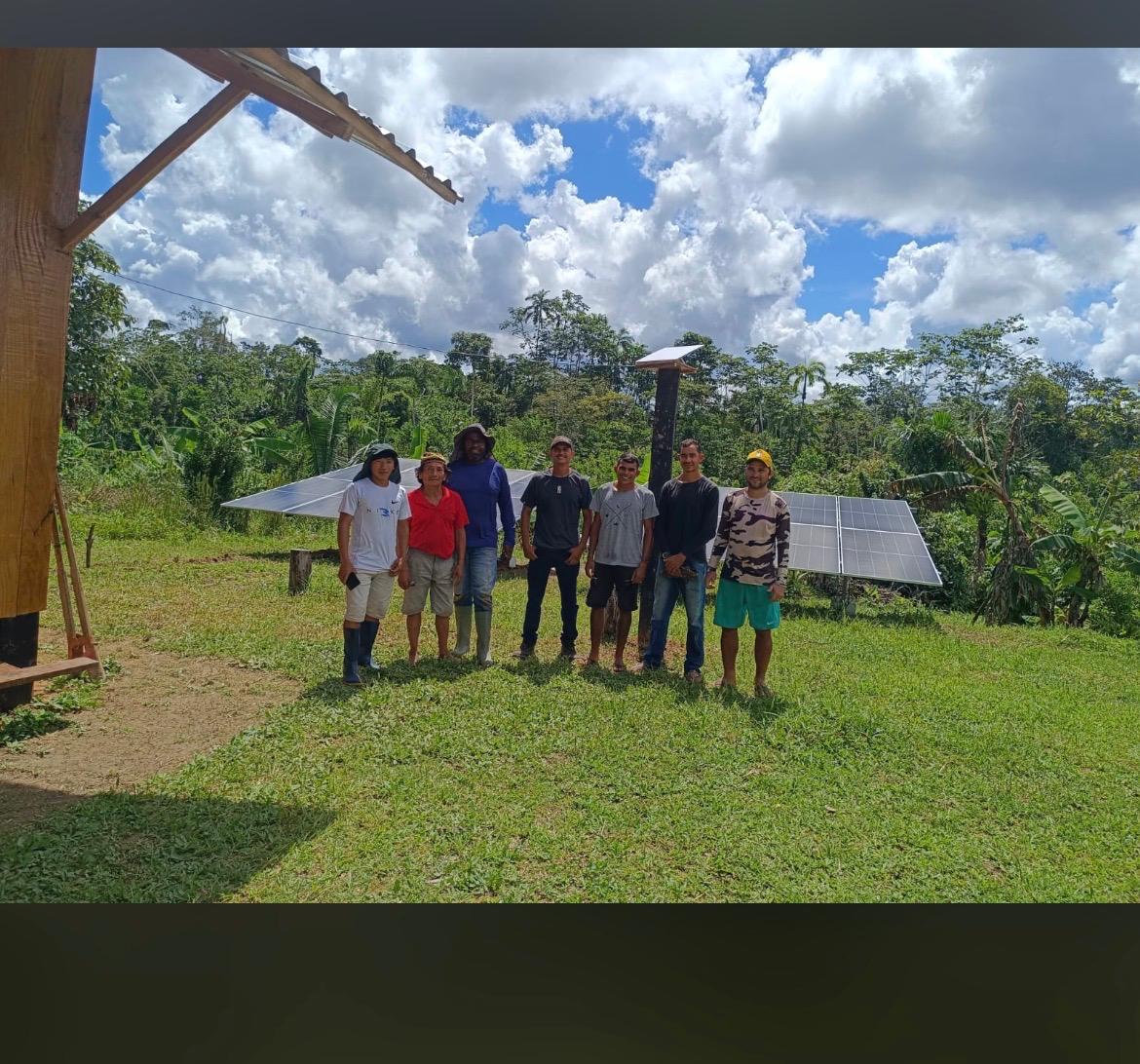
The project involves the development of intelligent automated healthcare systems, featuring self-service kiosks and telemedicine cabins equipped with their own solar energy and internet connectivity for isolated, indigenous, and riverside communities.
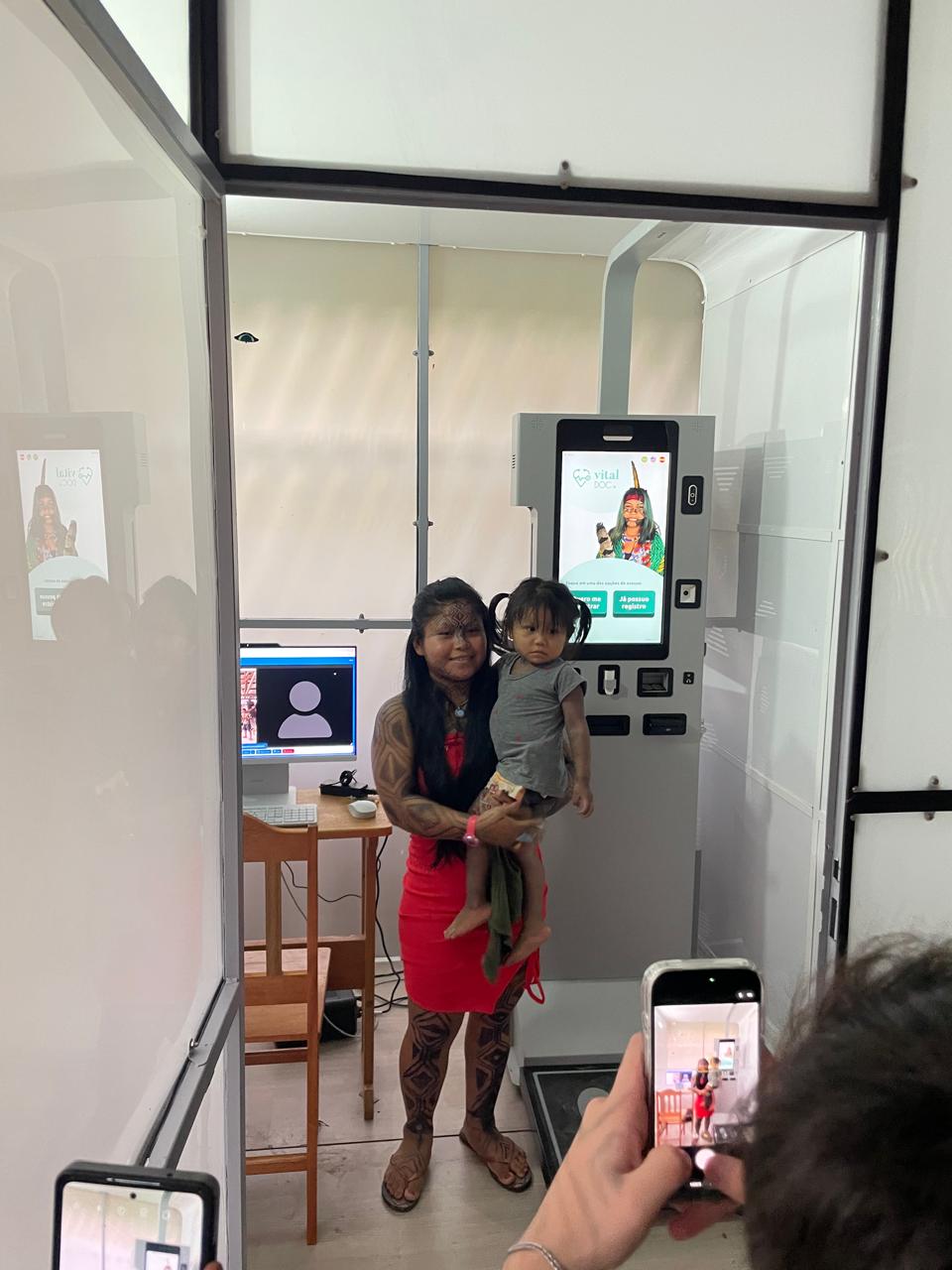
The first phase of the project was the installation of the Vital Doc kiosks developed by Foxconn. These machines carry out automated patient triage by measuring nine vital signs and conducting pre-programmed health questionnaires designed by the healthcare team. The data is then saved in the Vital Doc health records and management system, and can be accessed by both patients and healthcare professionals anywhere in the world through a smartphone application, facilitating the portability of patients’ health histories and enabling remote assessment by professionals. The system also allows for the management of the population health data collected, supporting health planning by administrators and data-driven action based on epidemiological information by the healthcare team.
The project provided seven kiosks for the municipality of Jordão, one for the Huni Kuin Igarapé do Caucho indigenous territory in Tarauacá, and one for the Katukina indigenous territory in Cruzeiro do Sul. The kiosks have already been installed in the health units of Jordão — two at the primary care unit, one at the mixed-care unit, and four in isolated communities — while the remaining units are in the process of being transferred.
Beyond this innovation, the project is in the intermediate phase of its second stage, which consists of the installation — at four locations covering the most isolated areas of the municipality — of cabins with their own solar energy and internet systems, containing a telemedicine setup linked to the kiosks via computer. This system conducts consultations supported by artificial intelligence for transcription of appointments and interpretation of vital data collected by the machines, including real-time subtitle translation from the indigenous Hãtxa Kuin language into Portuguese during video calls.
The communities that received the health units are located at strategic points in the most remote areas of the municipality: Aldeia Chico Curumim — covering the indigenous territories of the Upper Rio Jordão; Seringal Iracema — covering the indigenous territories and riverside communities of the Upper Rio Tarauacá; Seringal Novo Porto — covering indigenous territories and riverside communities of the Upper Rio Muru; and Seringal Alagoas — covering the riverside communities of the Alto Rio Tarajuacá Extractive Reserve. These locations are extremely difficult to reach, and during the Amazonian dry season — when river levels drop — the journey to the municipal seat can take up to four days by boat.
Consultations are already taking place, the kiosks are fully operational, and the communities are very satisfied with the results. The artificial intelligence features for remote consultations — such as translation and interpretation of D2 electrocardiogram tracings — are in the early stages of development, and it is expected that they will be fully operational by the end of 2026. Only the digital health unit in the Novo Porto community is still under construction, with its inauguration scheduled for July 2026.