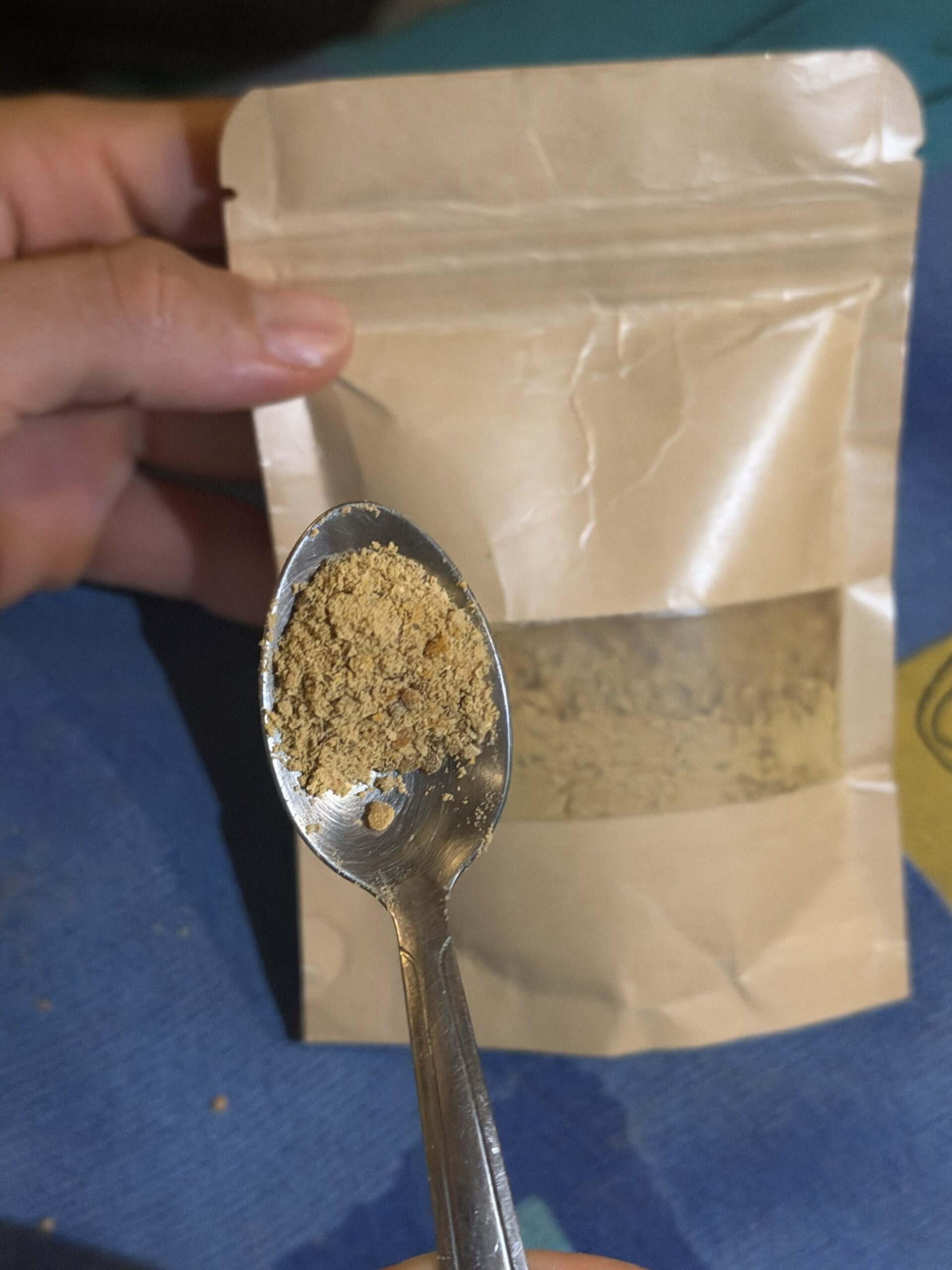
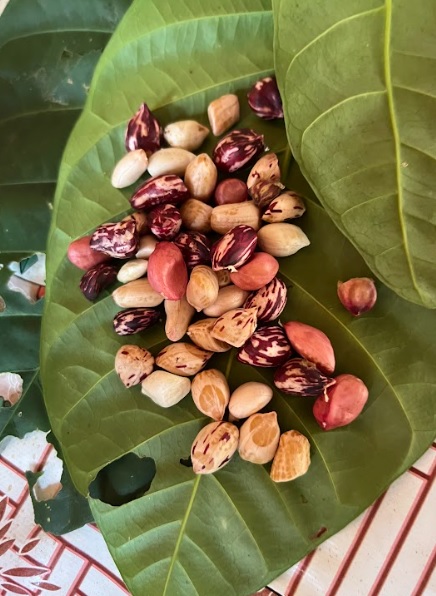
The production of natural, organic and agroecological foods, the encouragement of the creation of traditional crops, the appreciation of ancestral seeds and the fight against the use of pesticides have always been one of the Institute’s front lines of action. We provide financial incentives by often purchasing local produce, we build bridges for sales from these producers and we are constantly bringing the importance and value of these practices to the local population, often combating strong trends against this ideal. We also produce many species of value for agriculture in our nursery, such as cocoa, pineapple, mango, cupuaçu, açaí, lime and avocado seedlings, among others.
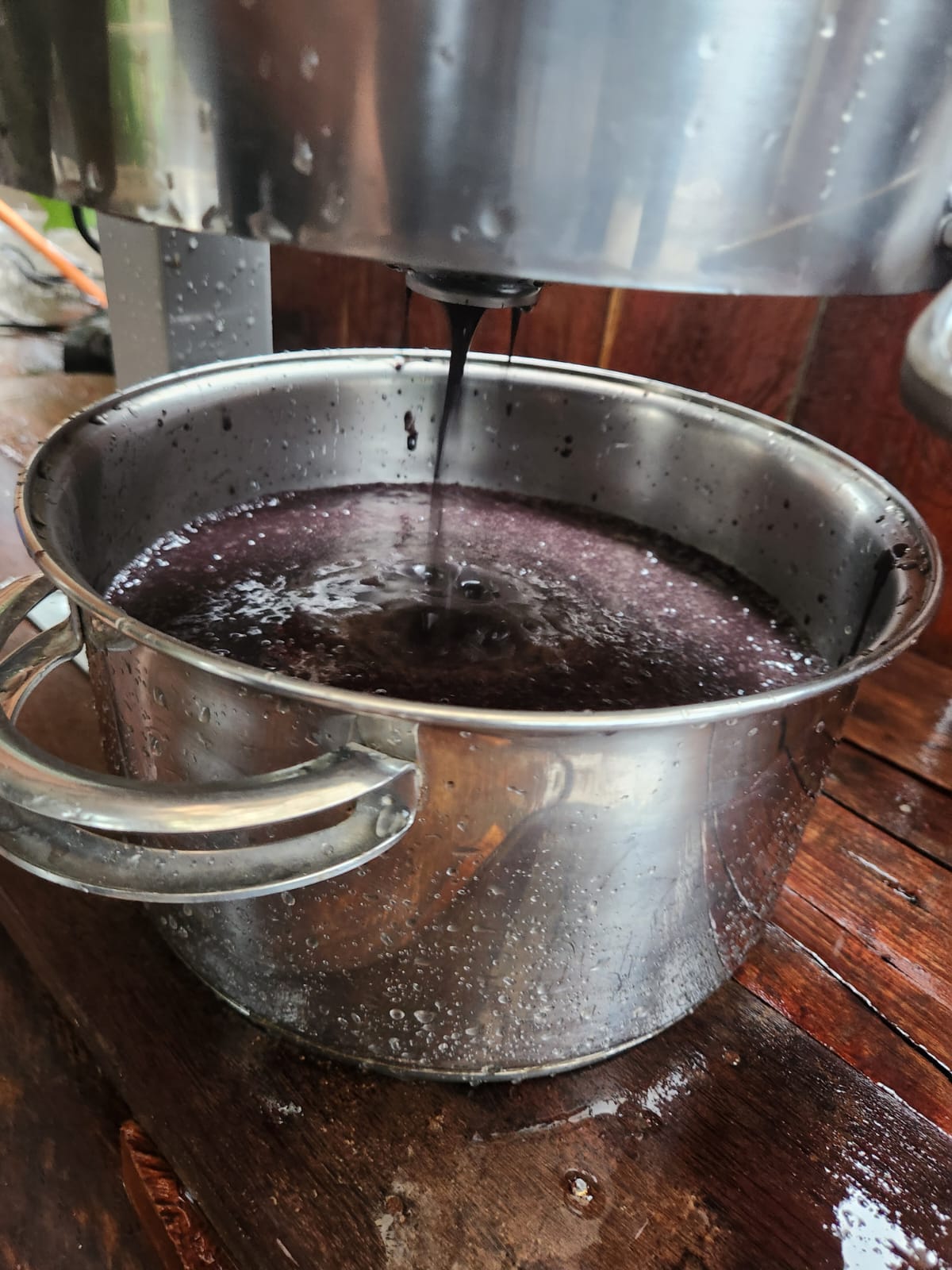
Currently in 2025, the institute is working on training in good practices and supporting the production of açaí, abacaba and patauá pulp, palm trees of great nutritional value from the forest. We have already held two workshops and another will be held in February 2025
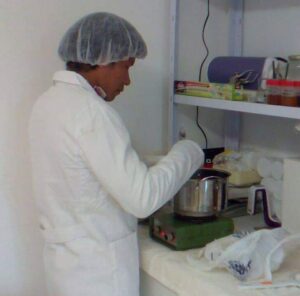
On the front line as açaí production coordinator in training experiences and as one of the main production partners that uses the institute’s facilities for its own production, we work with a worker, a mother, with extensive experience in the production and management of resources from extractive reserves such as fruits, cassava, milk, cheeses, açaí; Sebastiana da Rocha, known as Branca, who lives between the municipality of Jordão and the community of Xapuri, in the extractive reserve of Rio Tarauacá-AC. For those interested in purchasing a natural product directly from them, please contact them by phone: 68-99250-6404
Also in this line, we have been regional pioneers in the work with freeze-dried açaí, a great potential in our region, which can generate several jobs and generate thousands of reais, through the production of a product that contributes to the standing forest and can be easily transported from Jordan in smaller volumes, since due to the geographical isolation, the local export logistics are quite complex. Production is still experimental due to the lack of resources to establish a freeze-dried fruit cooperative, which is the institute’s intention, but it has been well received and has aroused the interest of many people in the region and beyond.
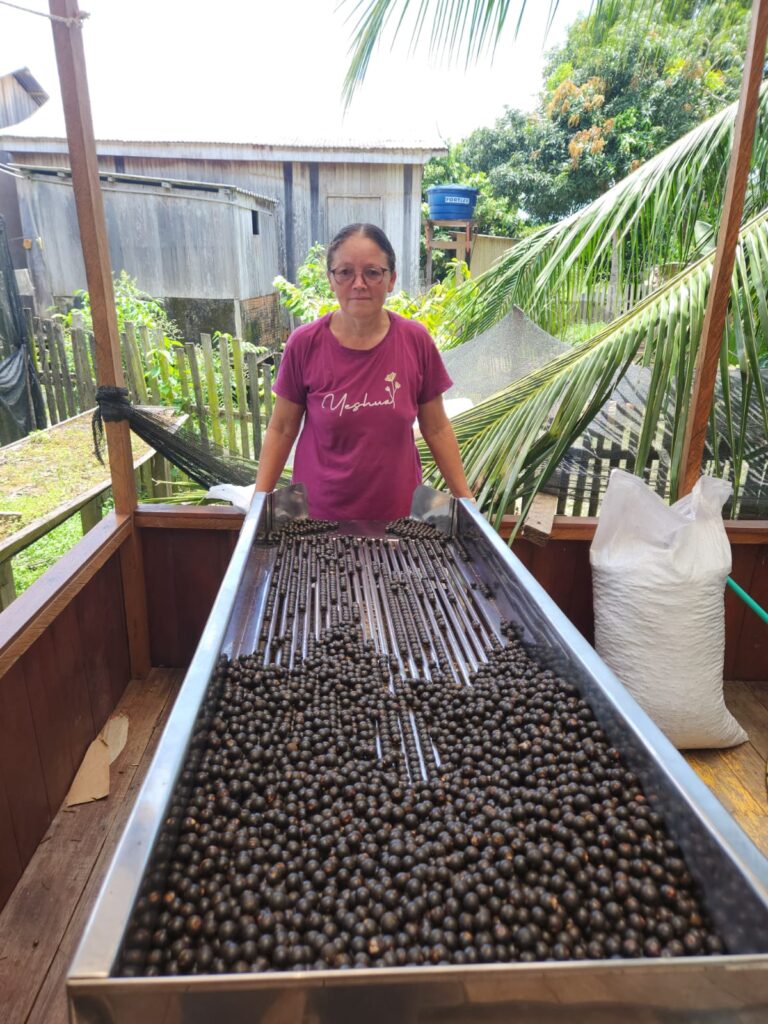
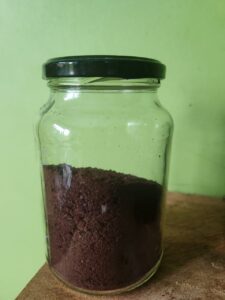
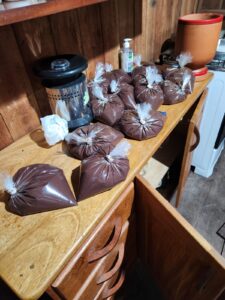
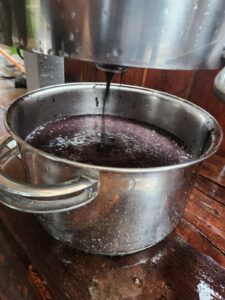
“In April 2026, we were awarded and certified by the Fundação Banco do Brasil (Bank of Brazil Foundation), with our agroecological food lyophilization project in Jordão being recognized as a social technology that promotes environmental sustainability and solidarity economy. We were honored with a beautiful short documentary produced by the Bank of Brazil Foundation, which can be watched by clicking on the link below:”

Cerficate from Brasilian National Bank – Can be seen in best resolution in the following link: Certificate
_____________________________________________________________
From the analysis of the territory, it was observed that there were projects related to the work of Spagirya involving the Huni Kuin people, a project carried out by the Instituto Guardiões da Floresta, called Casas de Essências, through which the Spagyria School of São Gonçalo do Rio das Pedras, represented at the beginning by the presence of Mestre Indio Gallo, brought the first knowledge about the distillation of essential oils to the local people, in the form of workshops and training experiences in the Spagirya line, and promoted the construction of artisanal laboratories for the distillation of essential oils and the production of some other types of spagyric medicines, in villages such as São Joaquim and Novo Natal, in Rio Jordão.
The members of the Instituto Flor da Floresta, even before its official formation, already supported such local initiatives privately, helping families that worked in the production of essential oils with health care and donations of equipment and the purchase of their products. After formalization, the institute maintained its focus on this line, and through partnerships and donations, it was able to finance the return of the Spagirya School team from São Gonçalo, for a new training in essential oil distillation that was given to all villages that were interested, as well as a refresher course for producers who had already completed the training, with the participation of approximately 10 villages. The course took place in 3 locations over a period of 15 days: the municipal headquarters of the Flor da Floresta Institute, in Jordão, the Campo Sagrado Center in the Nova Empresa village, and the Nova Revisão School, where the Nova Revisão School was inaugurated along with the classes, which can be seen at the link Projeto Escola Nova Revisão.
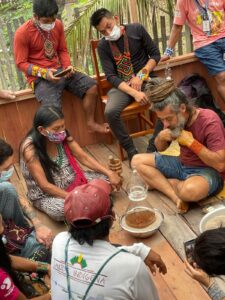
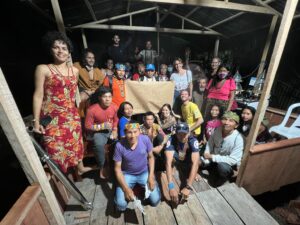
This great educational experience also promoted the donation of various pieces of equipment to the teams of the distillation laboratories already existing in the municipality, and 3 villages were benefited with complete equipment for carrying out the distillation of essential oils (Nova Empresa, Nova Extrema, Nova Revisão).
There is a continuous supply of inputs for the production of these oils to some local indigenous producers (e.g.: amber glass bottles for bottling the oils, among other laboratory glassware), in addition to the continuous attempt to establish bridges that assist in the sale of these products, to guarantee income for these producers, as well as improvements for their villages, as was done in the project involved in the production of essential oil of Lima with the company Terral (see the product here) – which benefited the Campo Sagrado family center, located in Aldeia Nova Empresa – note that on the Terral website the old name of the Institute still appears, which underwent profound changes as of 2024. Terral was one of the first institutions to support the work of Flor da Floresta, by variuous ways, and keeps nowadays supporting, trough eventual financial support, by disseminating our network of supporters. Also there is a small farm wich is supported in private way by one director of Terral with directors of Flor da Floresta, called Sitio Terral Saúde da Floresta, where there are continuous activity of reforestation of trees in risk of extinction, and are kept medicinal and food ecological agroforestry, that are eventually donated to Flor da Floresta to promote its activitys and also it is a place for transdisciplinary educational experiences promoted for the members of Jordão´s community and visitors.
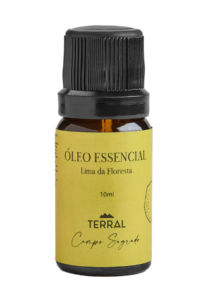 Forests Lime Essential Oil From Terral and Campo Sagrado
Within the line of essential oils, the institute’s main work partner is Tiago Dua Ibã Sales Huni Kui, and his working group with perfumed medicines Ni Ininipá. The institute has been working with Tiago for 4 years, providing resources to support the construction of his laboratory and improvements in his village, either directly through donations or indirectly through the promotion of his work, finding buyers for his products from various locations in Brazil and Europe. The institute also directly purchases essential oils to carry out free health experiences with aromatherapy at the Casa de Saúde da Floresta Mãe Janaína and with integrative and complementary health practices (PICS) in the SUS, at the basic health unit in the municipality of Antônio Rodrigues Dourado. There is also a partnership with the donation of laboratory materials such as glassware for distillation, packaging, in addition to the holding of joint transdisciplinary experiences and workshops that promote an exchange of knowledge and favor technical development and health safety in laboratory work. Tiago works on the production of essential oils with wonderful and unique aromas from the forest, such as Yube Mashe and Itsamin.
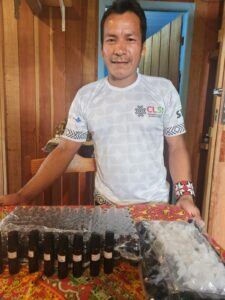
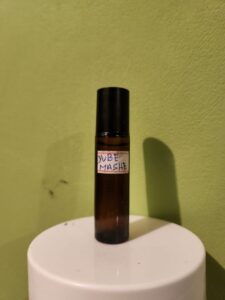
Those interested in purchasing organic essential oils produced in an ecological manner that respects nature can contact the producer directly, Dua Ibã – Tiago, the current contact is: (68) 99227-0367
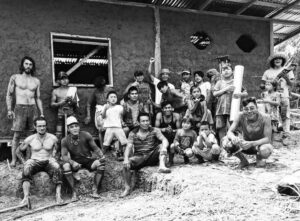
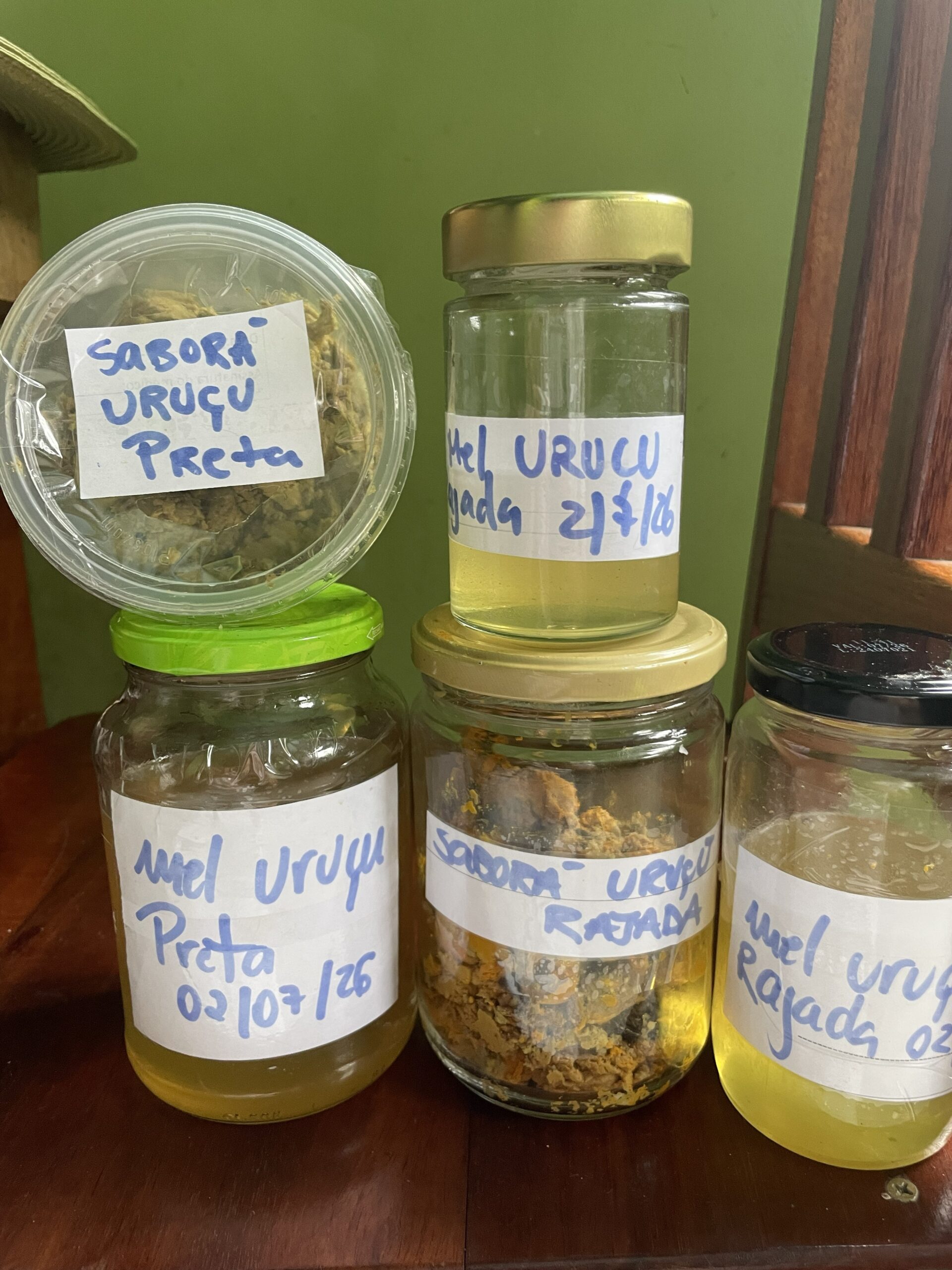
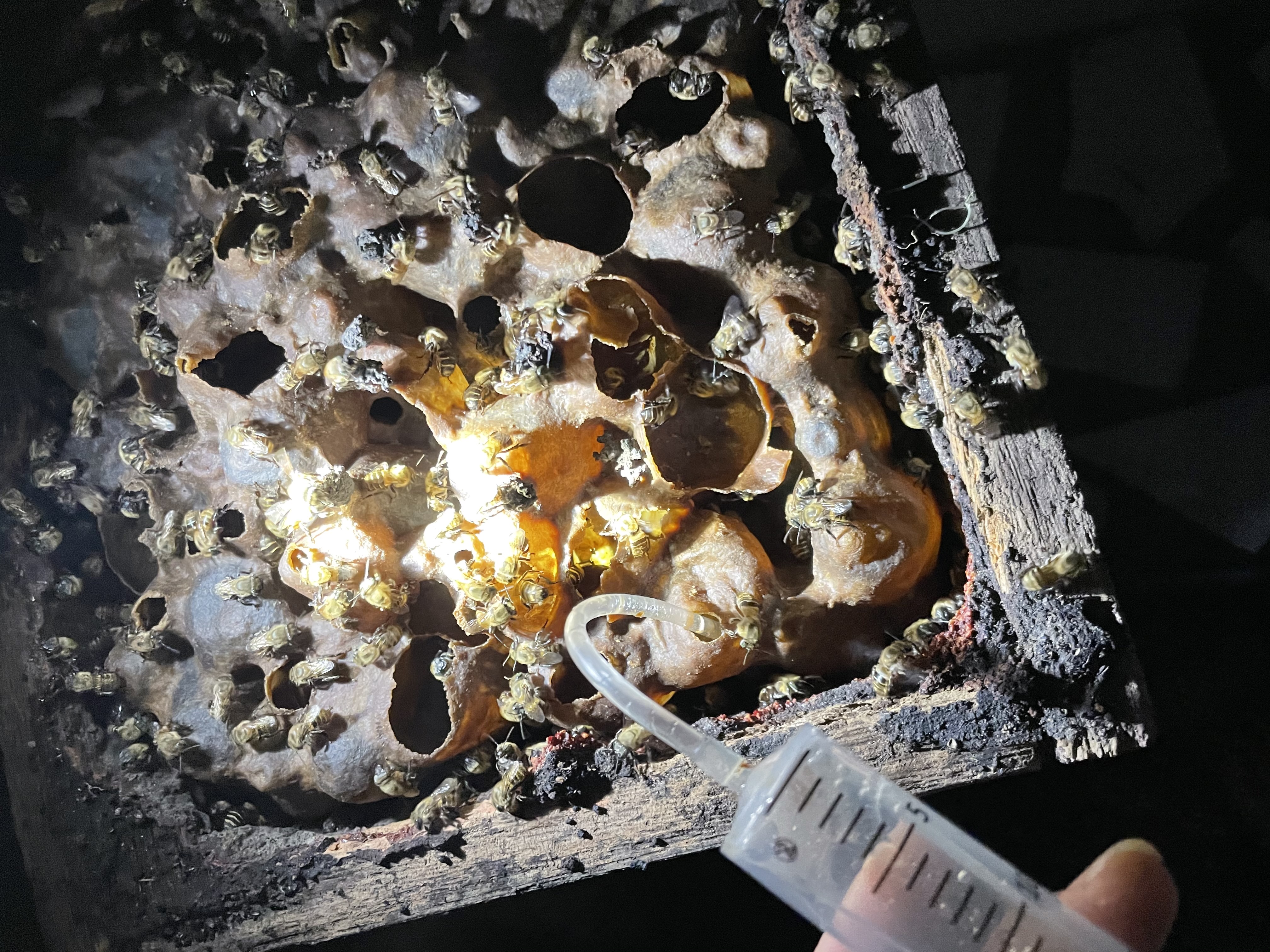
Another point highly valued by our Institute is the meliponiculture of native stingless bees, in a natural way, without chemical inputs, feed or other ways of increasing production. In addition to respecting honey collection cycles, increasing the bee population in a respectful way, and protecting against predators, we provide guidance on safe ways to use honey and pollen (known in the region as saborá) as therapeutics in the community and for people interested in learning about the input, in addition to involving part of the community in honey collection actions, multiplying houses, explaining ecological ways of dealing with bees in order to obtain their products without harming their existence, strengthening the bond with these animals that are so important for the maintenance of the planet’s biodiversity, which are bees.
Our institute takes care of 9 (nine) beehives actually in Jordão, of the following varieties of bees: uruçu rajada, uruçu preta, caboclinha e jandaíra. Every year, in the correct month and moon, we gently collect part of their honey and pollen, and we freeze-dry the pólen, and use it for our nutrition and to distribute and sell. We also have already produced organic uruçu preta and uruçu rajada própolis for natural medicine uses. We have the care of collecting only part of its honey and pollen so the bees have suficient food for keeping their family with good nutrition and health.
We also promote educative information on ecological bee managing for local stingless bee kepers.
___________________________________________________________________________________________________
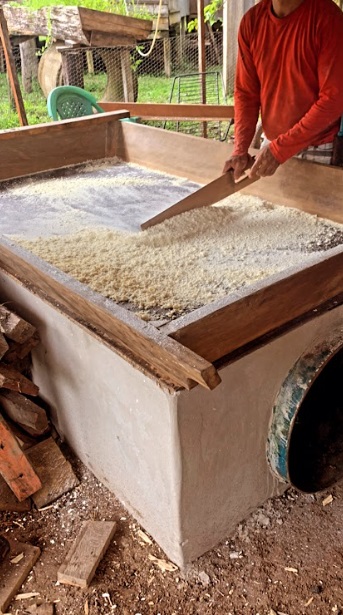
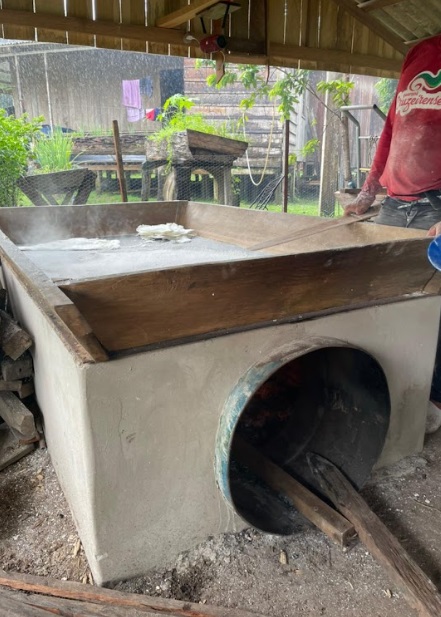
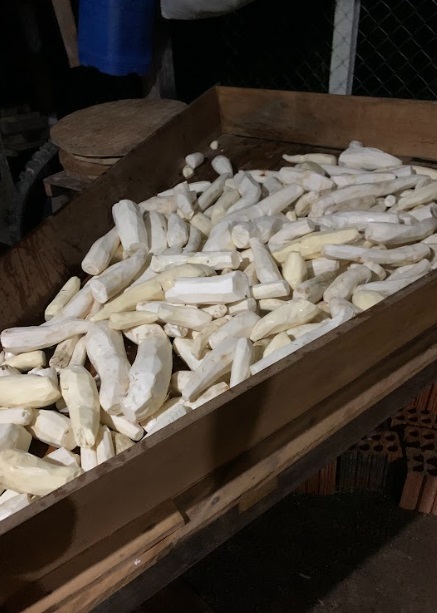
Finally, we worked with Francisco da Cunha, a highly experienced farmer, expert in medicinal plants from the forest and a flour producer. Our friend has been working with the institute since the beginning in its work with agroecological foods and forest medicines. We worked with Francisco to build and maintain a flour mill in the municipality of Jordão, where flour, cassava starch and tapioca are produced from the fields of local producers, and sugarcane juice is also currently being produced. Francisco is known as one of the best producers of cassava flour, tapioca and cassava starch in the region. In addition to producing food, the place is a space for socializing and well-being, where traditional culture and regional music from the Acre tradition are promoted and a meeting point for people interested in food.
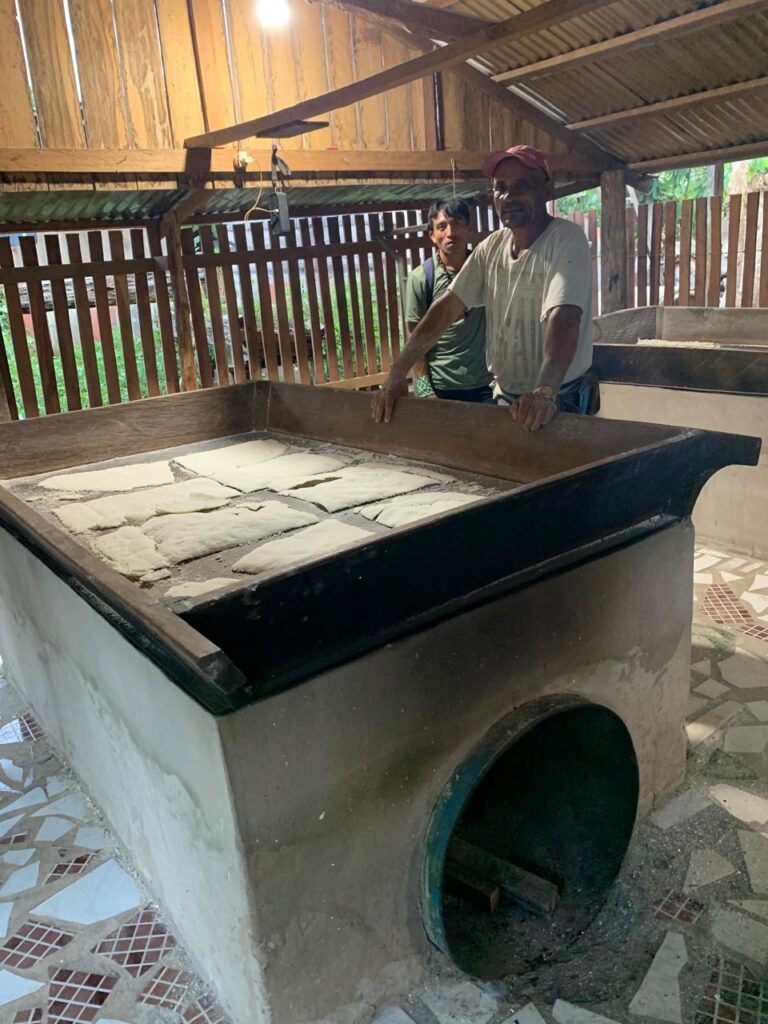
Above, Francisco da Cunha in his flour mill.
For those interested in purchasing these products directly from the producer Francisco da Cunha, please contact him by phone: 68-992099215